




From Oil Field Landman to Business Owner with Scott Rainey





Before Scott Rainey owned a safety consulting company, he was getting bit by dogs in North Louisiana — knocking on doors as a landman, trying to convince hostile landowners to let oil companies onto their property. That pivot into entrepreneurship wasn't clean. It nearly ended in bankruptcy. Here's how he got out, started over, and built something worth selling.
Scott Rainey is the founder and President of Quest Safety Solutions, a safety consulting firm serving oil and gas service companies across New Mexico, Texas, Louisiana, and Mississippi. With over 20 years of oil field experience — 15 of them in safety — Scott built his company from the ground up after a near-miss acquisition deal nearly wiped out everything he and his wife had worked to build. Today, Quest functions as a fully outsourced in-house safety department for oilfield operators, handling OSHA compliance, workforce certifications, training management, and insurance coordination — so clients stay on the job and off the audit list. Scott holds an MBA and the Certified Safety Professional (CSP) designation and lives in Lafayette, Louisiana with his wife Mandy and their three children.
Joining host Joshua Wilson is co-host Jude David, JD, DCL, MBA — Managing Partner at FA Mergers, former M&A attorney with 200+ transactions, and founder of a self-funded building materials company grown to 400+ employees via acquisitions. Scott is a longtime personal friend of Jude's, and their shared history makes for a candid conversation about faith, risk, and what it truly takes to build a business worth exiting.
🎯 What We Cover:
- What a landman actually does — and where the TV show gets it right (and wrong)
- How Scott stumbled from land work and environmental management into oilfield safety consulting
- The acquisition deal he rushed into without doing his homework — and why it nearly ended in bankruptcy
- What he wishes he had done differently as a first-time business buyer, including the due diligence he skipped
- The conversation every entrepreneur dreads: going home to a pregnant wife after walking away from a job with no plan
- Why safety is not just a cost center — it is a license to operate, and without it your employees do not go to work
- How Quest functions as a full outsourced safety department for 10–70 person oilfield service companies
- The AI agent demo that shifted how Scott sees the future of his entire business model
- Why he is deliberately building Quest Safety Solutions to sell — and what he envisions doing after the exit
- His closing advice for any entrepreneur standing at a fork in the road
🤝 Connect with Scott Rainey: 💼 LinkedIn: https://www.linkedin.com/in/scott-rainey-mba-csp-48058b22/
🤝 Connect with Jude David: 🌐 https://www.thedealpodcast.com/guests/jude-david/
💼 Thinking About a Transaction? FA Mergers helps founders, investors, and business owners navigate the full M&A process — from valuation to close. If you're exploring a sale, acquisition, or capital raise, let's talk. 🔗 https://www.famergers.com/
🎙️ Follow The Deal Podcast: 🌐 https://www.thedealpodcast.com/
💼 https://www.linkedin.com/in/joshuabrucewilson/
▶️ https://www.youtube.com/@dealpodcast
DISCLAIMER The Deal Podcast is for informational and educational purposes only. Nothing discussed constitutes investment advice, a solicitation, or a recommendation to buy or sell any security. Always consult a licensed professional before making financial or investment decisions.
00:00 - Ch 1 — From Mowing Lawns to the Oil Patch
03:00 - Ch 2 — What a Landman Actually Does
05:16 - Ch 3 — Getting Bit by Dogs and Closing Deals
07:37 - Ch 4 — The Pivot Into Oilfield Safety
18:14 - Ch 5 — The Acquisition That Nearly Ended in Bankruptcy
20:29 - Ch 6 — Starting Over With One Car and a Family of Five
28:41 - Ch 8 — The AI Agent Demo That Changed Everything
30:07 - Ch 7 — Why Safety Is a License to Operate
35:14 - Ch 9 — Building Quest Safety Solutions to Sell
39:59 - Ch 10 — Advice for Entrepreneurs at the Fork in the Road
Ch 1 — From Mowing Lawns to the Oil Patch
SPEAKER_01
Good day, everybody. Welcome back to the Deal Podcast. Listen, this mission or everything we do is to inspire the future generation of entrepreneurs. And heck, we love deals. We want to help other people sell their businesses. That's why we do it to encourage, to inspire, and to do deals. And with that, we're going to bring on one of Jude's friends, Scott, to the show. Scott, welcome, man.
SPEAKER_02
Hi, good morning. Thanks for having me.
SPEAKER_01
Yeah, absolutely. All right. So, Scott, how do you know Jude?
SPEAKER_02
So I know Jude through the Axe Retreat through church. Um, I was just asking. Jude told me we met about 10 years ago. It was the first axe retreat, men's axe retreat that Pies had done. Um, and we got teamed up together and as uh roommates, and we had a young table of men. It was it was a very interesting experience because there was a lot of wisdom at the other tables, and then our little table of a bunch of young guys with little babies, all going through similar circumstances, which was fantastic because in that sort of format, you know, we had a lot of common ground between our group, and um Jude's just a great guy, man. I've been very blessed to have him in my life. Yeah.
SPEAKER_01
Well, what's something you learned about Jude, maybe at that event? I mean, we'll keep it PG here, but what's something that you learned about Jude that, you know, like connected you two? Because you go to these men's retreats to learn more about your your faith, learn more about God, but also to learn more about each other. And then I'm gonna ask Jude the same question about you.
SPEAKER_02
I think anybody who spent any time with Jude uh very quickly realizes that he's an incredibly intelligent man and he comes across as very humble. Um, and I also am an intelligent person, and I tend to downplay that intelligence. I don't like to talk about it, I don't like to use it, and Jude doesn't either. Um, and it was just something that sort of resonated. I've never shared that with with you or really or anyone, but I really appreciated that about Jude. That was it's look, this is all a gift from God. This is not me. Um, it is its own burden in its own way, but it's a blessing as well if you're using it appropriately. And I don't know. I love that about him. All right, Jude, to you, sir.
SPEAKER_01
What did you learn about Scott during that trip?
SPEAKER_00
Well, he stole my thunder a little bit. He's definitely uh an intelligent guy, and I feel like you know, you kind of connect with people, you know, very quickly whenever you whenever you're hitting on the same wavelength. Uh we were both that way. Uh something I like about Scott is um he always wants to do the right thing. And you got a lot of people in life where truth is mal malleable because you know it's it's easy to conform the truth to what you want it to be because that's what serves your end goal. Scott's not one of those guys. Scott's a guy that the truth is the truth and he wants to do the right thing, and uh that's a rare find.
Ch 2 — What a Landman Actually Does
SPEAKER_01
Yeah. So, Scott, as I was studying up on you, you're one of the original landmans, right? I'm I'm reading through your LinkedIn profile. What is a landman? I'm sure people saw Billy Bob Thornton on the show Landman. Like, walk us through, like, is that accurate? Is that you? Walk us through your story.
SPEAKER_02
First of all, no, that is not me. But there is a good bit of accuracy in the the very beginning of that as far as what a landman actually does. Um, I became a landman sort of by accident. When I met my wife, um, I was living at home with my parents cutting grass, and I thought that was a pretty solid career going forward, was cutting their yard. And she quickly disabused me of that notion. So she said, look, you got to go get a job. And I went to work in my chosen field, which is environmental management systems, and I did not like it at all. And I had a good friend who was friends with an owner of a land company right now. I said, Look, we're hiring people. Would you like a job? And it was essentially it was it was very, very easy. Um, so I sort of stumbled into that position because it was just a better opportunity. Landmen, uh, we we negotiate deals between the operators or seismic companies or whomever it is, but we're the go-between between the company that wants to accomplish something and the actual landowners. A good part of that is research. You have to spend a lot of time in the courts, courthouse researching the title of the property and really going all the way back to patent to find out, all right, who actually owns this deal. One of the interesting things about the show is, you know, that's in Texas. Well, Texas minerals can be separated from the surface forever. So it can get very, very complicated trying to track down absentee mineral right owners that, you know, there are people who don't even know that they have minerals in Texas. Not a lot, but they're out there. So um we negotiate the deals. We spend time knocking on doors and trying to convince people to let us give them money.
Ch 3 — Getting Bit by Dogs and Closing Deals
SPEAKER_01
Right. So in in the show, or even a show, another show that I liked was uh another movie was I think it was called Second Hand Lines, where these people were coming up essentially to knock on doors and the two grandpas sitting. I I envisioned this like in Houston or Texas, where two guys, you know, walking up to sell them something and they're on the front porch with a shotgun. Right. So as you're knocking on doors, you know, like in Texas, right? Like what did what does that look like or wherever you were doing it?
SPEAKER_02
Uh it can look like that. There are some very hostile landowners. And and look, in their defense, they've had bad experiences. They've had land companies, they've had oil companies promise things and not deliver. They've had people show up on their property and break gates, not close gates, they've had cattle get out, livestock get out, they've had trash left behind. So a lot of them have been left with a bitter taste in their mouth, and especially the surface owners, because if there's a mineral lease, the surface owners aren't going to get anything unless there's some surface damage on their property. So you have to, in Texas, you've really got to convince people that look, we're here to do a good. And yes, you're not going to get the vast majority of the revenue that's going to be generated here, but there is still something here for you. And you got to trust me. So that personal relationship with the landowners becomes very, very important. And that's where honesty is so important. Because if I tell you this is how it's going to be, some of that will be in the contract. It'll be spelled out in the written contract, but a lot of it is just relational. Um, and you have to be able to connect with different people from different economic situations, different I mean, different everything. And they've got to trust you to do what's right. And if they don't, then there's nothing to force their hand. Um, and a good landman can build that trust and and find a middle ground, find an agreement that that works for everyone.
SPEAKER_01
Yeah, I like that. What was one of your like memorable like times that you went through from mowing lawns with your with your parents to you know, marrying your wife's like, you gotta go get you know real jobs. It was great. In that in that time being, you know, learning the world of you know environmental and oil and and all this, like what was one of your most memorable experiences?
SPEAKER_02
Well, since we're talking about being a landman, and I only did that for a couple years, uh, I got bit by a dog once. I got a pair of corduroy pants that I was very, very proud of. And I was up in North Louisiana doing some leasing, and this was a hostile landowner, and he had just dogs everywhere, man. Um, and as we're going to his house, his dog bites me on the leg and tears my corduroy pants. And that's the last time I've worn corduroys.
SPEAKER_01
Yeah. Because you could hear them coming with the corduroy, you know, you can Oh yeah.
SPEAKER_02
Swish, swish, swish. They they knew I was coming.
Ch 4 — The Pivot Into Oilfield Safety
SPEAKER_01
Man, that's cool. So uh walk us into you know, what are you doing now?
SPEAKER_02
So I own a uh safety consulting company now, and we work primarily with oil and gas service companies, um, a pretty large gamut of different services that are that they are providing, uh, from NDT companies to um downhole tools, fishing companies, oil service companies, thread reps, consultants, it it's a fairly wide gamut. Um, and we we've are starting to dip our toes into the more commercial construction realm um just to have some diversity. But it it essentially means that we function as an in-house safety department for these companies.
SPEAKER_01
Yeah. How did you get into that? Going from knocking on doors and getting bit by dogs, chased by dogs, to, you know, safety. I guess that makes perfect sense. How not to get bit by dogs, but how how did you get in that?
SPEAKER_02
So, much like my landman career, I just sort of stumbled into this. Um, and it's interesting because there was a series of things that had to happen for me to get into the safety business. Um, I had been approached by a friend of the family who owned a safety company before, and he'd offered me a job, but I was making more money as a landman. I enjoyed doing it. Um so I passed. And I was part of my time in Texas was south of Houston, and Dave Ramsey was on the radio in Houston, so I'd listen to Dave Ramsey while I was driving around. And part of Dave Ramsey's thing is look, you pay off all your debt, you build your cash stockpile, uh, and we did that. Well, the only thing we had when I left the land business was our mortgage, had everything paid off. Um, I was in MBA classes at night. We'd had our first son, he was maybe 11 months old. My wife was pregnant with our second son. Uh she was due in maybe five or six months. And the company I was working for, they said, Look, we need you on the road five nights a week. You need to be in home until eight o'clock at night. And I said, Look, I, you know, I'm taking night classes three nights a week. I've got an 11-month-old at home. I'm about to have a second baby. My wife works full-time. I I can't do that. And like, well, that's all we have for you. And what being in that debt-free position set up for us was that, okay, well, thank you. I mean, I need a job, but I don't need this job. And that was maybe a four-minute conversation with the manager. And he said, Well, that's all I've got. So, all right, well, I shook his hand, I went and grabbed my stuff, and I walked out. And um a day later, maybe two days later, I called my friend who had the safety business, said, All right, I'm I know it's a cut, but I gotta do something. So I went to work and got into the safety business.
SPEAKER_01
Got into the safety business. I think a lot of if I look back on my life, maybe you could have that same experience, Jude, is you know, these these situations that happen that, you know, we have a deciding factor. Do I stay here even though I don't have peace with it, even though that there's something off here, or go another route? And that other route sometimes seems very um not very clear or not a you know a very clear path, but we make the the choice. Jude, as you walked through going from MA attorney into a deal maker, you kind of had that that choice and you made that decision. What what were you facing when you decided to step down that path?
SPEAKER_00
I think everybody has to make a decision at some point about am I a good employee or am I called to something different or more? And you know, if if you're not a good employee, you probably feel like it's being called to more. If you're a great employee, maybe you don't. I think for me, uh, I came to the realization that I was not a good employee. Um, I was the guy who was always thinking about ways the company could do things better, different ways we could provide for the clients, different ways we could expand and do more and grow. And, you know, most business owners don't want their employees to be that way because the owner sets out a plan and a vision, and they need you to execute on their plan and their vision. They don't need you thinking about all these different ways that you could uh you know make the company do different things than what they've laid out. And so that that was me. I I know that I was never a great employee. I was always challenging authority a little bit and pushing the limits a little bit. Um and I've got plenty of employees now who are the same way, and it's like I can I can recognize it and I can respect it. And it's like, hey, I've got a book for you. I want you to I want you to explore the idea of you know entrepreneurship and what it would mean to you know grow into maybe management or you know, at least uh you know think about your own path. I think a lot of people go through that. Um you know, that they think about you know their current job, and it's like this is not the right fit for me. I need to go out and do something different. And in Scott's position, it was let me go explore this safety thing. And for a lot of people, it's let me go find a very stable job somewhere else where I'm gonna be a W-2 employee with steady hours and a steady paycheck and whatever else. And for other people, it's like there's just this exciting little thing deep down where you're going, like, but maybe I could do something on my own. Tell us about that, Scott. Tell us about what it was that that drove you to want to do something on your own.
SPEAKER_02
I think I'd agree with June that um I was not a great employee. Um, I I I like to do things my way. Um, and that's not always the right way by any means, but I would rather try something and fail than to sit there and regret what what could have been. Um I think, you know, Josh, you you asked earlier about whether or not I was a believer, whether whether or not I was a spiritual person, and I am. But I wasn't always in my faith where I am now. And now a lot of that is just living in a surrendered position and trusting that God's got a plan. But that means I've got to participate. You know, He's given me these talents, He's given me these thoughts, He's given me these ideas, I've got to execute on those. Um, and in business as an entrepreneur, it it requires that you take a leap sometimes. You have to step out into the uncomfortable places and you have to say, all right, well, let's see what God can do with this. I I am I'm gonna answer this call, and I'm just gonna trust that it's a good plan. And I don't need to know what the plan is either, which I think is one of the hardest parts of that is you know, I do want to know. I want to know how this is gonna turn out, and and we just don't. But that's life.
SPEAKER_00
You know, Jesus only taught us one prayer, you know, thy kingdom come, thy will be done. And uh it seems like most of our prayers go, uh, you know, my kingdom come. Like when will my kingdom come? Let me build my empire. Right, yeah. My will be done, Lord. These are the things I want. Yeah. And it takes a real leap of faith that the Lord's gonna provide whenever you step out and you say, I'm I'm not gonna be this little employee that's securing my future. I'm gonna go try to serve the Lord and do something a little greater.
SPEAKER_02
I I lately I keep going back to the story of the talents, and it um for whatever reason, it's just really resonated lately. And I don't want to be the guy who shows up with just the one talent that was given. I mean, look, doubling it would be great. Ten times would be even better, but I know that God has given me abilities and opportunities, and I've got to do something with them. I cannot spend my life. I don't want to get to the end of my life and say, all right, well, you know, I know you were avengeful God. I know you reap where you didn't sow. I that that's that's just not gonna work for me. You know, because the truth is he has sown in us, and he is calling us to to go and multiply. I actually thought of a great gift for you. I was gonna find like a talent, if that is such a thing. But then I learned what a talent actually is. It's like, all right, I like Jude, but I don't like him that much. So that's off the table. Yeah. It was like a year's worth of wages or something like that. It's a lifetime of wages. Yeah.
SPEAKER_00
Maybe one day I'll work my way up to that.
SPEAKER_02
I hope so. I hope when my exit comes, I can I can do that for you. I think it would be a really, really cool gift.
SPEAKER_01
That'd be so fun to do. That's fun. So as you're going through this journey, I gotta go back to that that that moment. You said it was like a four-minute conversation, and you're like, okay, well, I guess I guess this isn't home for me. And you walked out, you packed up your cardboard box, walked out, you know, piece finger up and said, Hey, I'm out, right? Yeah. What was the conversation like when you when you went home to a pregnant wife with an 11-month-old son?
SPEAKER_02
I think there was some some panic there for sure. Sure. Um, but again, we were in a decent position. You know, we'd done hard things, we'd we'd lived differently. Our friends were doing stuff that we weren't doing. So we had we had some breathing room. Um and when I explained to her, look what what they're asking us to do, and how that just she's pregnant, you new baby, I'm in school three nights a week. I can't do that. We've got to do something different. Um, and I probably could have find another have found another land job doing something similar for a different company, but I think it had run its course, you know, and and I'm not a great employee. Um, I like to do things my way. It's as simple as how things are recorded when you're you know, you some companies have this this template and they want everything documented this way, and some companies have everything documented this way. Well, I like it this way, and that just that's just not who I am. So, you know, talking to Mandy about it was was difficult. It really was. But we knew that you know, this is Lafayette and gosh 15 years ago, the economy was fairly strong. There were opportunities out there. We said we're gonna find something. And by that time I'd done the environmental side, I could go back to that if I wanted to, I could find another land company if I wanted to. There were options. Yeah. So it was very, very good timing, I guess. God's plan was appropriate for us.
Ch 5 — The Acquisition That Nearly Ended in Bankruptcy
SPEAKER_01
Yeah. The times of the fear of saying yes and moving forward, and then there's the the doubt. Did you ever run, you know, 15 years ago when you went out to go do that? Were there ever moments where there's you know peaks and valleys where there was a valley where you're going, did I make the right decision? I feel like I heard from the Lord. I feel like this is the decision that my wife and I want to go. Were there any moments of doubt?
SPEAKER_02
Absolutely.
SPEAKER_01
Walk us through that.
Ch 6 — Starting Over With One Car and a Family of Five
SPEAKER_02
So the biggest moment of doubt for me, um, the gentleman I went to work with actually offered, gave me an opportunity to purchase his company. And I was very, very excited about that. And I did not do my homework on that deal. Um, and the offering price or the purchase price, quite frankly, was just way too high. And the strings attached to it were too many. So we we did that for maybe a year or so. Um, we had about a quarter million dollars in equity that I'd built up in the company, and then the oil field turned down, and we didn't have students in the classroom. I had staff that I was making payroll on, and we were losing money pretty much hand over fist, and still looking down a you know, 20-year note for something I cannot afford. And we started contacting bankruptcy attorneys because, like, we've got to get out of this. So I'm I'm considering, you know, am I gonna lose my house? How are we gonna explain this socially? And just the stigma that goes with that. Um it was very, very difficult because I felt that I had forced that deal, the agreement to purchase on my wife. I didn't discuss it with her. I was not as honest then as I am now. So I what I shared with her were the high points. This is what it's gonna do, this is how much money it's gonna make. And that's true as long as the market's good. And when it's not, well, the note doesn't go away, it's still there. Um and man, I had a lot of guilt about that. You know, because I was the one who decided this. I did not pray about it, I did not seek counsel, I just saw dollar signs, and I put us in a very precarious position. Yeah. And thankfully we got out of it. We we turned it over the company, we lost everything we built into it, but that that was a net win because we were able to get out. And I was able to start my own my own company from the ground, and we got rid of all the training. We we didn't do any um, we don't have a crane, didn't have a forklift, didn't have any of the the overhead that we had, and it was just, you know, me and the secretary, um, we lost our cars. I was driving my dad's old truck. So there were four of us running around, no, five of us running around in an old truck, taking everybody to school, everybody to work. And oddly, that was one of the better times in our lives when we'd started over from essentially nothing because we were forced to spend so much time together and we had to work as a team just to survive.
SPEAKER_01
What a man, what a what a sweet moment. Um, one of the things that that uh I think a lot of entrepreneurs, visionaries, um, optimist entrepreneurs kind of experiences is where we see pure upside. And when we're talking to someone about it, especially our spouse, you know, it we we could tend to like, no, look at the bright side and look at this and look at this. Having that um realization that we can be wrong, like I've I've done that, and I've had to it took me like years to rebuild that trust and that faith from my wife because I too did the same thing. Going on a big deal, went all in. And it it was a disaster. Right. So when it comes to, you know, the conversations you have now with your spouse, like what the how are they different from then? And maybe some advice you have for other visionaries and entrepreneurs who are married and having tough conversations of like, hey, I think we need to invest in this or do this or do that. Like, what's your advice for them?
SPEAKER_02
Be honest. Be brutally honest. And and listen to your wife's intuition. Um, we've been married, it'll be 20 years this year, and in 20 years, I've learned that her gut, nine times out of ten, if not more, is right. How do they do that? I don't know, man.
SPEAKER_00
I dismiss it so much. I'm like, oh no, that's just crazy. Lo and behold.
SPEAKER_02
Lo and behold. Yeah, it's um, I would say listen to your partner's gut. Listen to it. It's because we I think we get wrapped up in the positives. We see, hey, here is all of the upside. You know, and a wife by design is a nurturer. She's there to maintain the home, protect the nest, protect all the eggs, keep the baby safe. So she's gonna look at that deal differently than we do. You know, we're providers, we're hunters, we're gonna go out and we're gonna make something happen. And it's easy when you're running through the savannah to not see all the thorns that are going past us because we're we're focused on the target where she's gonna take some time and look at that. And it actually um, we're we're engaging in another project, and this one is different than anything I've ever done with her before, because I have been very, very honest from the get-go. Here's what it's gonna cost. Here's the timeline. And we spent a lot of time, a lot of time praying together about it. Is this right for us? Is this what God's actually calling us to do? Is this a door that's opening, or is this it, or is this a temptation we're falling into? And the difference in that deal versus the first deal is night and day because she's on my side. She's supporting and pushing me when I'm tired, when I'm when I'm lazy, when I'm not doing the things I need to be doing to move this forward. She's like, hey, baby, we we've got to go, we got to get these things done. And that that teamwork is so empowering for me because I don't have to carry it all by myself. Yeah, there are days when it just feels like it's a lot. And, you know, are we making the right decision? And I can bring that doubt to her and say, look, I'm struggling with this today. Are we doing the right thing? And and she'll she will repeat my words back to me. Hey, we've prayed about it, we've done the math, we've spoken to many, many attorneys, we've looked at many, many developers. We're on the right path. We're doing this together. And that, yeah, be honest, communicate with your partner. You have to have that feedback. And even in this deal, we were going with a developer that I really liked. I really, really liked their product, I liked where they were pushing, and she just did not have a good feeling about it. And ultimately we didn't go with them. We wound up using a different developer, and I think it's a much, much better fit. It's gonna cost more money, but we own the product now, which we wouldn't have before.
SPEAKER_01
Now I know um, I know that it's in prototype and development. You can't talk too much about it. What could you tell us about what you're building?
SPEAKER_02
Um, so we're we're gonna jump on the AI bandwagon with I think everybody else. The for me as a consultant, AI I firmly believe is gonna change consulting for everybody across the board. For sure. Um I don't think it's something we can stick our head in the sand and ignore. I think you've got to figure out how to use this tool to multiply what you can do as quickly as possible and as efficiently as possible. Um, the new agentics that are being developed and or were developed in the last year, year and a half, and are continuing to be developed are going to be just vast force multipliers. Um, and we're looking at adding that to our service lines uh to really expand how we communicate to the people who are actually doing the work. It's one of the headaches in my industry is that we're we're the middleman. We are the middleman between my client and their employees when it comes to safety. And we're very good at it. But you're dealing with people who don't always answer the phone, who are sometimes on vacation, who are sometimes at work, who may forget to call you back. And when you're dealing with hundreds and hundreds of people, there's a lot of opportunity for human error in there. Most of the time it's not a big deal. But safety, at least in oil and gas, it's a go or no-go issue. So if something gets dropped and it does not get picked up before that guy goes offshore, it is a no-go issue. And that is a problem for both my clients because their employees are not going out to work. It's a problem for the employee because they're not getting paid because they can't get out to work. It's a problem for the operator because they have a task that needs to be done that's not getting done. And now we're scrambling to find somebody else, you know. And my business is reputation. So if I can't ensure you that your guys are ready to go to work whenever you want to send them to work, that's a problem. Um, and I think we've found a good way to eliminate that.
SPEAKER_00
Yeah. So many good lessons there. Um, you know, technology is constantly changing industries. And you go back, like when the automobiles invented, you have carriage drivers and wheelmakers and you know, folks who are building buggies and everything else who are fighting back against this technology. Oh, vehicles, you know, automobiles will never replace the horse and buggy.
SPEAKER_02
Right.
SPEAKER_00
And all those people just got left behind. But quickly. Yeah. The the buggy drivers that figured out how to be automobile drivers didn't get left behind. You know, they they figured out how to how to step into a new role. And, you know, it's kind of scary because what you're talking about is I want to build an AI tool that'll partially replace what we do, like partially replace my company and my people and whatever else. And it takes a big leap of faith to do that. You know, how did how did you make that decision that we're not going to fight back against technology and we're going to, you know, actually embrace it and be on the leading edge of it?
Ch 8 — The AI Agent Demo That Changed Everything
SPEAKER_02
I think some of it was I heard a demonstration of an agencagent for a car dealership, actually. And it was in this uh business mentoring cohort that I'm in, and the demonstration was this an AI agent called, called the gentleman, just this coon ass from down the road, right? And he is talking to the agent as as we are speaking now. And if you didn't know that it was an AI agent, you wouldn't know that it was an AI agent. The pause was a little bit too long between replies, but maybe a half a second. It wasn't much. It's gotten so much better than it used to be. And I'm listening to this agent just schedule a recall for this guy, and that is a huge portion of what we do. We're scheduling classes for people, we're negotiating with their calendars to get these things done. I'm like, that is what we do, and that's gonna cost 10 cents to accomplish versus I don't know, tens of thousands of dollars to pay someone to do this. And whether I do it or not, that's coming. And if I don't do it, I don't want to be someone's employee. I I like running my own show, I like making the decisions, and this is one we either acknowledge and learn to drive a taxi, or we will get left behind on it.
Ch 7 — Why Safety Is a License to Operate
SPEAKER_01
Yeah, for sure. Holy moly. Um let's talk about the the the business that you do now. It's a license for them to operate, right? If they don't have these same uh safety docs, these cer certifications, these things, then the employees can't work, they can't drill oil, they can't do that stuff. Is that right? So that's the value proposition is you need it, we can provide it better than the next person. When it comes to selling safety, right? You know, what what does the sales process look like for something like that? Because, you know, it might not be top of mind for an employer to go, you know, because it might not be a revenue driver for them. It's a license to do it. So, like, how did you how did you figure out your own sales process and what have you what have you learned that worked really well for the safety industry?
SPEAKER_02
I'll first agree with you, Josh. I think the the general perception is that it is not a revenue center, and it's not. Like, I don't do this out of the kindness of my heart. Um most of the companies that we work for tend to be in they're they're smaller companies. So anywhere from 10 to let's say 60, 70 employees. To have a full-time person manage safety for a company like that, and safety people have gotten very expensive. I looked at hiring one and I was blown away whether they're getting paid now. It's extremely expensive. So what winds up happening in these companies is they take a secretary or an HR lady or an ops manager and they pull them into this world and say, hey, you've you've got to now manage these databases, you've got to track all this training, and they drown. They just sit there and drown. They they wind up going from what should be an hour, two hours a week in these systems, tracking all this stuff down to becomes their job. And that's all they do. And I can walk into an office and see very, very quickly, when I mentioned some names of these companies that they have to work with, you can just see the color leave their face and the anger rise and like I hate it. I hate everything about it. And the proposition is that look, I'm gonna make that go away. We do this for X number of other companies. We've been doing it for this long. I know what your pain points are, and I've spent so much time in those systems that I'm going to make that go away. In fact, unless you have a problem, you're not gonna see me. You're gonna send me the information for your new hires, you're gonna tell me when you fire people, and that's gonna be about it. You're gonna send them to work. We'll have them for a short period of time while we get them trained. If there are renewals, we will take care of that. We're gonna work with your insurance agent so you don't have to worry about that. We'll handle all your OSHA reporting, so you don't have to worry about that. But the the discomfort and the the hassle of dealing with these systems, people just want it to go away. I frankly believe that, yes, it's looked at as a cost center, and it is, but it's also a revenue center because without this, you cannot go to work. You know, you I don't care how good of a relationship you have with a guy at Exxon, if you guys are scanning red at the dock, they're not going out there. And we're like insurance, whether you like it or not, this is just necessary now to do work.
SPEAKER_01
Yeah. Yeah, you get you get shut down one time, you know, your project gets shut down one time, and what would have been a small cost to pay to operate, now you can't operate now, you've lost a bunch, and then they will never forget that. And then they go out, try to hire someone or bring on you know a third party to kind of fully manage. So yeah, I I totally see the value proposition. Jude, I think you you wanted to jump in.
SPEAKER_00
Well, safety is just a tool of the job. I mean, it's it's table stakes. If you want to operate, you have to have all of the safety boxes checked. And you know, people in our crane business, we never think about like going on a job site without a crane. We're not gonna do that. We can't go on a job site without a safety record. So um it's such a pain point for people, though, because they get so bogged down in all the things that they they don't know, they don't do day-to-day, they don't necessarily understand. Uh I know back whenever I was a lawyer, you know, people would do anything they could to not pay their lawyer to help with things. And so they waited until they had totally screwed situations up. And then they brought them to me and they were like, can you spend like three hours just solving this? It's like, oh, I mean, you spent a hundred hours ruining it. So like maybe I can't solve it in three hours. I'm sure you have a lot of that in your industry that that people screw it up and then bring it to you and want you to fix it.
Ch 9 — Building Quest Safety Solutions to Sell
SPEAKER_02
We do, and that's actually how we get a good bit of our business. Um I don't I don't spend much time on the road selling anymore. Uh most of it is referrals, word of mouth, and people have a problem. They've got audited by an by an operator, and it's a mess. And they have a timeline. And it's, hey, look, if we don't have this done in 60 days, we're gonna lose this contract. And this is our only contract. Our company depends upon this. Can you fix this? Yes. Yes, I can. Give me what you got, give me access to everything, we're gonna get this done. And that, you know, that's come from 15 plus years of doing this. I'm very, very familiar with the systems. I think one of the goals of our of our new product uh or project development is there's this mentality in safety that look, they're just boxes we need to check. And that has changed some, but it's still an overriding sort of mentality in the industry that safety is it's a box to be checked. You know, a big part of our development will be communication and really driving knowledge to make it effective. I hate the word culture. I and it's used too often in the safety business, but I can't stand it because I believe culture is something people can choose to participate in or not. You can go to Japan and never eat sushi. You can eat a Burger King KFC every single day and never participate in the culture. A safety culture in my mind is the same thing. If a guy is hungover, if he's tired, if he just doesn't like the policy, he's never done it that way. A culture is not gonna make him do it that way. I much prefer this is the way we do business, and it is not negotiable. But you can't take that stance if your guys don't know the way you do business. So you've got to have an effective way to communicate to these employees and say, look, in this situation, this is what we do, and it has to be kindergarten simple because people are not going to spend time and effort on something they don't understand, or it just looks, man, that that's just gonna make it harder. That's gonna take longer. So we want to we're gonna make it easy, as easy as it possibly can be, and I'm gonna put it in your hands where look, you can't ignore it. Everything is documented, you just talk, just ask the system what you want, and it will tell you.
SPEAKER_01
That's pretty cool. Scott, one of our favorite parts of doing uh the deal podcast is meeting great people, hearing their stories, but then also like connecting the guests. And one way we do that is uh we have our guests write the question down for the next in-studio guest. So Jude, this was uh from Jude's friend, Ben. I can't pronounce his last name still. Domingue. Ben Domang. It shouldn't be that hard. I can't do it. I can't do it.
SPEAKER_00
Yeah. Okay. Ben asked, how do you find your way to mapping out life 10 years out? I guess what he's saying is, what does life look like 10 years from now?
SPEAKER_02
I think uh in keeping with the the name of the podcast, uh 10 years out, I I plan to be out. You know, we are we're building a business to sell it. That is the goal. Um I grew up in the country. I'm a farmer at heart. I love teaching people, and I would like to be able to get back to that. We do some volunteer work at St. Joe's, and one of the things that breaks my heart every time you go there is there's always a need for more food. Um, I love growing things, and I'd love to be in a position where I could be a farmer who's growing to produce for these sorts of missions. It's my give back.
SPEAKER_01
Yeah, that's super cool. I love uh life's passions. Well, when you're ready to do that, I know a guy, right? Um what kind of things do you like to grow?
SPEAKER_02
Everything. Um, I grow a whole lot of stuff that nobody but me eats. I love radishes, I love beets, I like turnips. Um, what I grow that gets eaten by the rest of my family are tomatoes, cucumbers, corn, bell peppers. That's about it. But everything else I'm growing, it's mostly for me.
SPEAKER_00
So you're delicious, beets, and turnout.
SPEAKER_02
They're delicious.
SPEAKER_00
Yuck.
SPEAKER_02
I know some okra going in there.
SPEAKER_00
Yeah. You don't put okra in your gumbo.
SPEAKER_02
No, I do not put okra in my gumbo. Okay, thank goodness. Yeah. But okra is very good roasted, it's very good fried.
SPEAKER_00
Oh, those little smothered those little okra bits that are fried. Oh my gosh. Yes.
Ch 10 — Advice for Entrepreneurs at the Fork in the Road
SPEAKER_01
Yeah. So two shout-outs, people you've mentioned or people that might be connected to this. Uh Dave Ramsey, if you're listening, I know you're a longtime listener. Longtime, what's it? First time caller, longtime listener. Uh, yeah, we'd love to have you on the show. But also another beet farmer out there, Dwight Shroot from The Office. He's he's also, so you guys uh shared that in the beet farming. Um as we close out today's thing, uh, for for a listener out there who might be kind of looking at this fork in the road with life or with things coming up, and they're kind of standing at that fork. And they're, you know, looking at do I stay here even though it might not be the best fit for me, or do I pursue a passion or a joy or a calling? What advice do you have for them?
SPEAKER_02
Pursue the calling. Uh we are not meant to live in fear. Um, I think fear is fear is the little death. It is, it's what keeps us from becoming what God made us to be. So if there's something that's really on your heart, you feel it's a calling, you prayed about it, you've discussed it with your spouse, go take the leap.
SPEAKER_01
Cool. Yeah, thanks for sharing. Well, man, I had a great time with you, Scott. Thanks so much for coming to the original Land Man. The show was after made after you. I that that in my head, that's what I think.
SPEAKER_02
That's right.
SPEAKER_01
So every time I watch that with my wife, we'll we'll think of you, Scott. Uh, ladies and gentlemen listening into the Deal Podcast, as always, reach out to our guests. Their contact information is going to be in the show notes. And if you'd like to talk about a deal or talk about your business, uh, we'd love to have a conversation around that. Head over to thedealpodcast.com, fill out a quick form, and someone from our team will be in touch with you. Till then, we'll talk to you all on the next episode. Cheers, guys. Thanks.
President
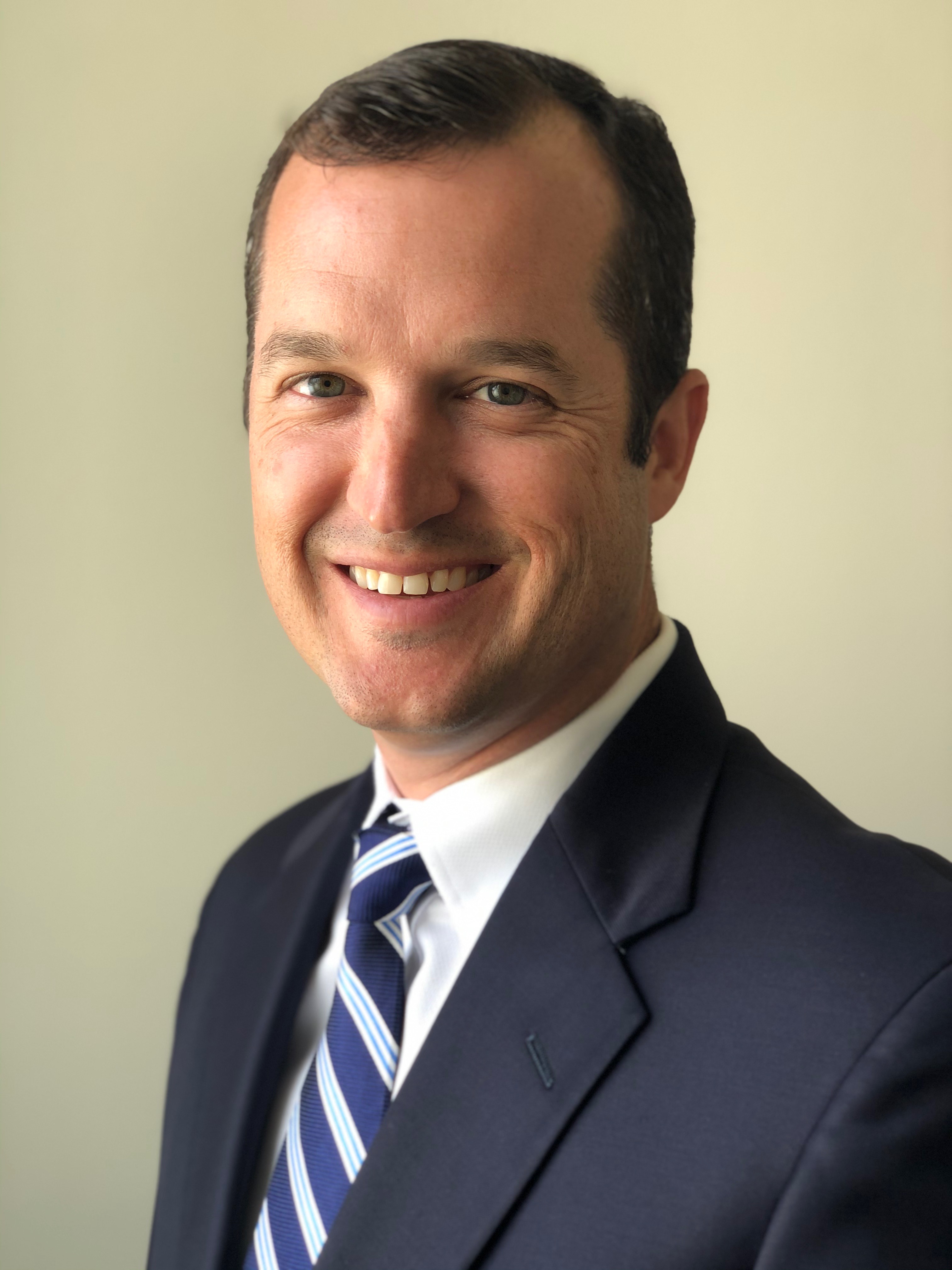
Scott is the founder and President of Quest Safety Solutions, a safety consulting company with clients across New Mexico, Texas, Louisiana and Mississippi. He has over 20 years of oil field experience with the last 15 of those in safety. Scott believes that communicating knowledge in meaningful and experiential way is the most effective way to change behavior and improve safety outcomes.
Scott lives in Lafayette with his wife of 20 years, Mandy and their three children, John Scott, Andrew and Amelie.